Home / Arts and Entertainment / Stoats: Winter Games Mascots With a Fierce Past
Stoats: Winter Games Mascots With a Fierce Past
11 Feb
Summary
- Mascots Tina and Milo represent the 2026 Winter Olympics.
- Stoats are known for their intelligence and ferocity in the wild.
- Historically, stoats and their ermine fur held deep symbolic meaning.
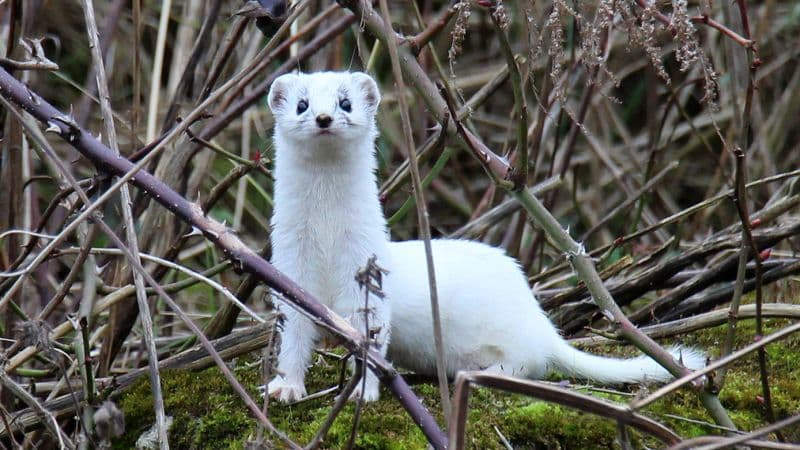
The mascots for the 2026 Olympic and Paralympic Winter Games, Tina and Milo, are based on the stoat, also known as an ermine in its white winter coat. These slender, sharp-eyed creatures have been actively engaging with the games, becoming popular merchandise. While the mascots are depicted as friendly, the article delves into the stoat's true nature, highlighting their intelligence, ferocity, and surprising athleticism.
Stoats belong to the mustelid family, known for their fierce predators like wolverines. They are capable of impressive acrobatic feats and can take down prey significantly larger than themselves. Historically, stoats have held a complex reputation among humans, often associated with bad luck, treachery, and thievery in folklore. This perception is partly due to their predatory nature and their historical association with royalty through their coveted ermine fur.
The white winter fur of the stoat, known as ermine, was historically a prized symbol of power and status, adorning the ceremonial robes of European monarchs and aristocrats. This association, coupled with their fierce reputation, contributed to a mixed human perception. Despite this, the modern mascots Tina and Milo seem to have overcome this historical ill-omen, bringing joy to Olympians and fans alike.