Home / Arts and Entertainment / Clown Panic Returns? 2016 Hysteria Examined
Clown Panic Returns? 2016 Hysteria Examined
13 Oct
Summary
- Hulu doc revisits 2016 clown sightings and their impact.
- Sightings disproportionately affected low-income, rural areas.
- Moral panic and internet's role fueled the 2016 craze.
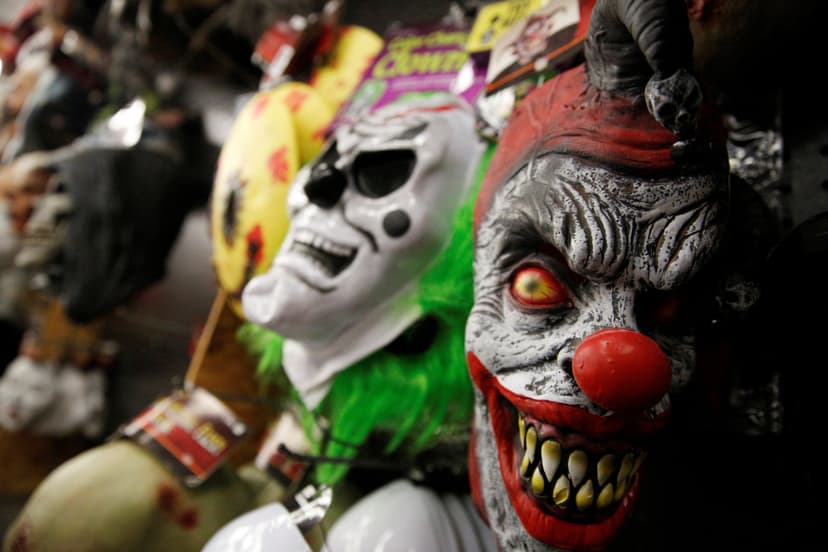
A decade after unnerving clown sightings captivated and frightened the public, a new Hulu documentary is dissecting the 2016 clown panic. The film revisits the phenomenon, exploring its origins and its surprising ties to school security, violence, and the concept of moral panic—an exaggerated fear of societal danger.
Initial reports in August 2016, beginning in Greenville, South Carolina, described clowns lurking near children. These sightings, often dismissed by authorities at first, rapidly spread across two dozen states. The documentary highlights that these instances frequently occurred in disadvantaged, rural communities, raising questions about why these areas were targeted.
The internet and pop culture played a significant role in amplifying the hysteria, blurring lines between staged appearances and genuine sightings. Even Stephen King weighed in, urging a cooling of the panic. The film examines figures like Pennywise and Art the Clown, which have contributed to a negative perception of clowns.
The documentary also touches upon isolated violent incidents linked to clown attire, including threats in Alabama and a stabbing in Pennsylvania. It questions the potential for future outbreaks of similar mass hysteria, noting that moral panics can recur.


